
Markdown vs Rich Editing: What Ghost 2.0 Meant for Writers
Ghost 2.0 moved from Markdown-first writing to a block-based rich editor backed by MobileDoc. Here is what that shift meant for publishers—and why it still matters.

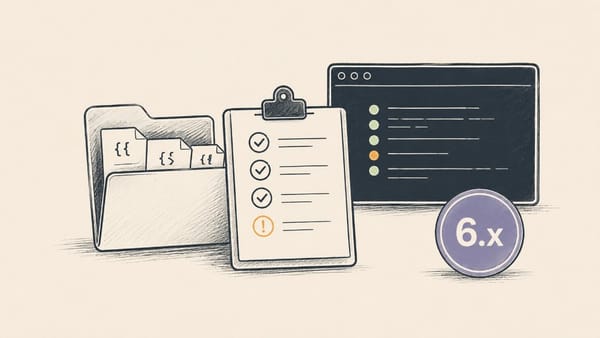
For years, Ghost marketed itself as a Markdown-native publishing tool. Writers who loved # headings, fenced code blocks, and keyboard-driven formatting felt at home. Ghost 2.0 changed the default experience: a toolbar-driven rich editor backed by MobileDoc, a structured JSON format that could render to HTML, AMP, RSS, and beyond.
That shift was not a rejection of Markdown. It was a bet that professional publishing needed layouts—not just paragraphs.

What writers gained
Visual editing without leaving Ghost
Before 2.0, complex posts often meant writing Markdown, previewing, adjusting, previewing again. The rich editor let authors insert images, callouts, cards, and embeds through a familiar block interface—similar to what readers already expected from Medium-style platforms.
The practical win was speed. Newsletter operators, magazine editors, and solo bloggers could publish polished layouts without maintaining custom shortcodes or HTML snippets.
Structured content under the hood
MobileDoc stored posts as JSON cards rather than a single Markdown string. Each card—paragraph, image, gallery, bookmark—had a defined shape. That structure made it easier for Ghost to render consistent HTML across themes, export content to other channels, and evolve the editor without breaking every legacy post.
Writers rarely saw MobileDoc directly. They felt it as reliability: fewer “why does this image break on mobile?” surprises.
Markdown did not disappear
Ghost 2.0 kept Markdown available for developers and power users who preferred plain text. The tension was choice, not replacement. Teams could mix workflows—Markdown for technical docs, rich editing for feature stories—within the same publication.
What writers lost (and why some pushed back)
Markdown-first advocates argued that rich editors introduce formatting drift: accidental bold text, inconsistent heading levels, and copy-paste mess from Google Docs. They were not wrong. Structured editors trade some purity for convenience.
There was also a learning curve. Writers who memorized Markdown syntax had to relearn toolbar patterns and card boundaries. For small teams, that meant brief retraining—not a dealbreaker, but real friction during migration.
Why Ghost made the move in 2.0
Ghost 1.0 had already moved away from the original Markdown-only admin. Version 2.0 doubled down because the product ambition expanded:
- Magazine layouts needed curated sections, not just chronological posts
- Membership previews needed teasers with mixed media
- Multilingual sites needed repeatable block structures across translations
Markdown excels at linear documents. Modern publishing is rarely linear. MobileDoc gave Ghost a format that could grow with those use cases.
How this foreshadowed today’s editor
The MobileDoc era paved the way for Ghost’s later Koenig and Lexical editors. The through-line is the same: store structured cards, render flexibly, keep the writing surface approachable for non-developers.
If you maintain a Ghost site today, you inherit that history. Exports from 2.x-era posts may still contain MobileDoc shapes. Migration tools and importers handle most cases, but understanding the shift helps when debugging odd layout glitches in older content.
Practical advice for publishers
If your team is Markdown-native: keep using Markdown where it fits, but train editors on rich blocks for hero posts and landing pages. The ROI shows up in layout quality, not raw word count.
If you are migrating from WordPress: the rich editor will feel familiar. Focus on Ghost-specific cards (bookmark, gallery, button) rather than trying to recreate every WP shortcode.
If you develop themes: remember that post content is structured data. Theme templates should expect HTML rendered from cards, not assume a single paragraph stream.
For the full release context—including custom routes and multilingual URLs—see the Ghost 2.0 release guide.


Discussion