
Stripe + Ghost Members: A Publisher’s First 30 Days
Your first month running paid Ghost memberships with Stripe: setup, seed content, soft launch, and the retention habits that matter before month two.
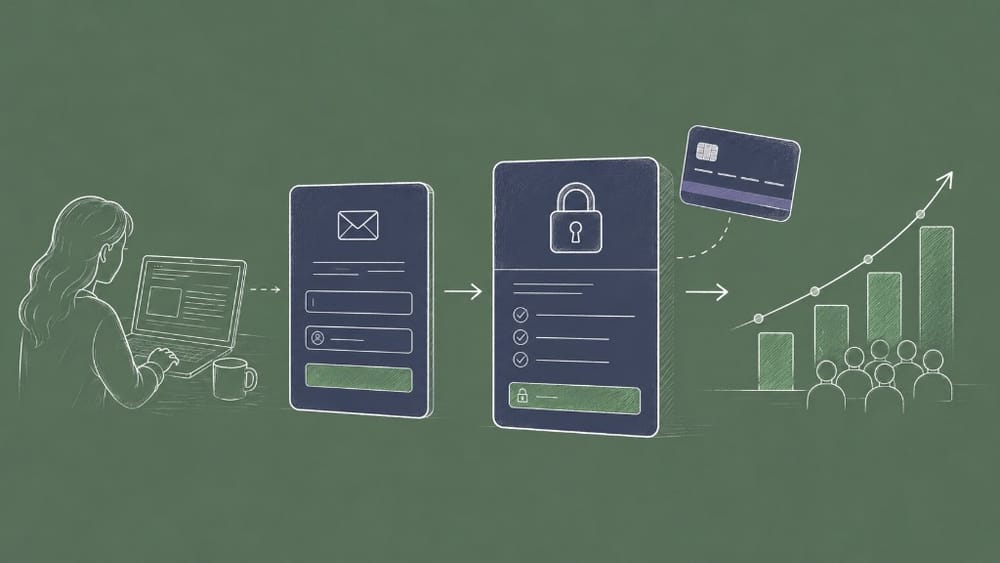
Ghost 3.0 put memberships in core. By early 2020, enough publishers had run the playbook that a first 30 days timeline was predictable—not easy, but learnable. You connect Stripe, define tiers, publish member-only posts, and watch whether readers convert. This guide walks through that month from a publisher’s perspective, not a developer checklist.

Week 1: Infrastructure before marketing
Days 1–3 — Stripe and Ghost handshake
Create or connect a Stripe account in Ghost Admin → Settings → Membership. Ghost handles subscription billing; you focus on product definition. Verify your business details in Stripe early—payout delays on day 28 hurt more than setup friction on day 2.
Define at least two tiers:
- Free — newsletter access, public posts, lead magnet content
- Paid — premium posts, archive, or community perks
Resist launching with five tiers. One paid tier plus free is enough to validate willingness to pay.
Days 4–7 — Email and legal basics
Members expect transactional email (welcome, receipt, passwordless login). Configure your sending domain before promoting signup links. SPF, DKIM, and a recognizable From name reduce “did my payment work?” support tickets.
Publish a simple privacy policy and refund stance. Ghost stores member data; Stripe stores payment data. Readers trust clarity more than legalese.
Week 2: Content that justifies payment
Days 8–14 — Seed the paid library
Do not open paid memberships to an empty room. Schedule three to five premium posts before announcing tiers publicly—a mix of evergreen guides and timely commentary. Gate them with member visibility in the editor.
Write one public post explaining what paid members get and why you charge. Transparency converts better than pop-ups alone.
Theme and signup UX
Ensure your theme supports @site.members_enabled and member CTAs. Before Ghost 4.0’s Portal, themes often needed custom signup links. Test the flow on mobile: email capture, magic link, Stripe checkout, return to site.
Week 3: First subscribers and feedback
Days 15–21 — Soft launch
Share the paid tier with your existing audience—newsletter, social, direct messages to engaged readers. Offer a founding member price if you want early momentum; Ghost supports promotional pricing through Stripe coupons.
Track free signups vs paid conversions, churn on failed card renewals (Stripe dashboard), and which posts drive upgrade clicks.
Talk to your first five paying members. Ask what they expected and what would make renewal obvious.
Common week-three fixes
- Checkout drop-off → simplify tier description, test Stripe in live mode (not test keys)
- Login confusion → confirm magic-link email deliverability
- “What do I get?” → add a pricing page with concrete benefits
Week 4: Optimize and plan month two
Days 22–30 — Double down on retention
Membership revenue is recurring. Month one success is not gross sales—it is renewal intent. Send a welcome sequence to new paid members. Highlight archive posts they unlock immediately.
Review Stripe payouts and Ghost member analytics. Adjust pricing only if you have data—underpricing is easier to fix than overpricing with zero conversions.
Plan month two content with a paid cadence (e.g., one exclusive post weekly). Consistency beats launch-week hype.
What Ghost + Stripe gets right
- You own the audience — emails and member records live in Ghost, not a platform silo
- Native gating — visibility controls in the editor, no plugin patchwork
- Independent economics — aligned with Ghost’s nonprofit structure; no ad-tech middleman
What still requires discipline
Stripe does not write your premium content. Ghost does not market your tiers. The first 30 days expose product-market fit brutally: if nobody converts, fix the offer before blaming tooling.
For membership context from launch era, see the Ghost 3.0 release guide where native memberships began.



Discussion